
Covent Garden’s Historic Landmarks
Beyond the shops and restaurants, Covent Garden's history runs deep - here's where to find it.
Covent Garden takes its name from a convent garden that once stood here, became London’s fruit and vegetable market for over 300 years, and only became the neighbourhood of shops and theatres it is today after the market moved out in 1974. That history is still visible if you know where to look, from a 17th-century church older than the Piazza itself to a police museum on the site where modern policing began.
-
1

Royal Opera House
The third theatre on this Bow Street site since 1732 - the grandest survivor of the area's long theatrical history.
Bow Street, Covent Garden, London, WC2E 9DD
-
2
Donmar Warehouse
A converted Victorian hop warehouse turned into one of London's most respected small stages.
Earlham Street, Covent Garden, London, WC2H 9LX
-
3
St Paul’s Church
Designed by Inigo Jones as part of the original 1630s Piazza - older than the market that grew up around it.
Bedford Street, Covent Garden, London, WC2E 9ED
-
4
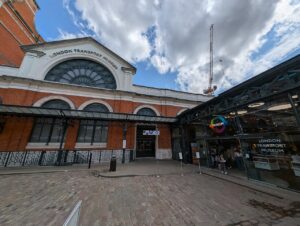
London Transport Museum
Housed in the former Victorian flower market building, tracing the transport network that shaped how Londoners actually reach Covent Garden.
Covent Garden Piazza, Covent Garden, London, WC2E 7BB
-
5
Bow Street Police Museum
The site where London's first police force, the Bow Street Runners, was founded in 1749.
28 Bow Street, Covent Garden, London, WC2E 7AW
-
6
The Salisbury
A Grade II listed Victorian pub whose etched glass and mahogany bar have barely changed since the 1890s.
90 St Martin's Lane, Covent Garden, London, WC2N 4AP